Australian Home Styles Through the Years
The way we design homes has always reflected the way we live. Across Perth (and Australia for that matter), you’ll find a mix of architectural styles sitting side by side, each shaped by its time, its materials and the lifestyle it was built for. From ornate character homes to clean-lined contemporary builds, here’s how Australian homes have evolved.
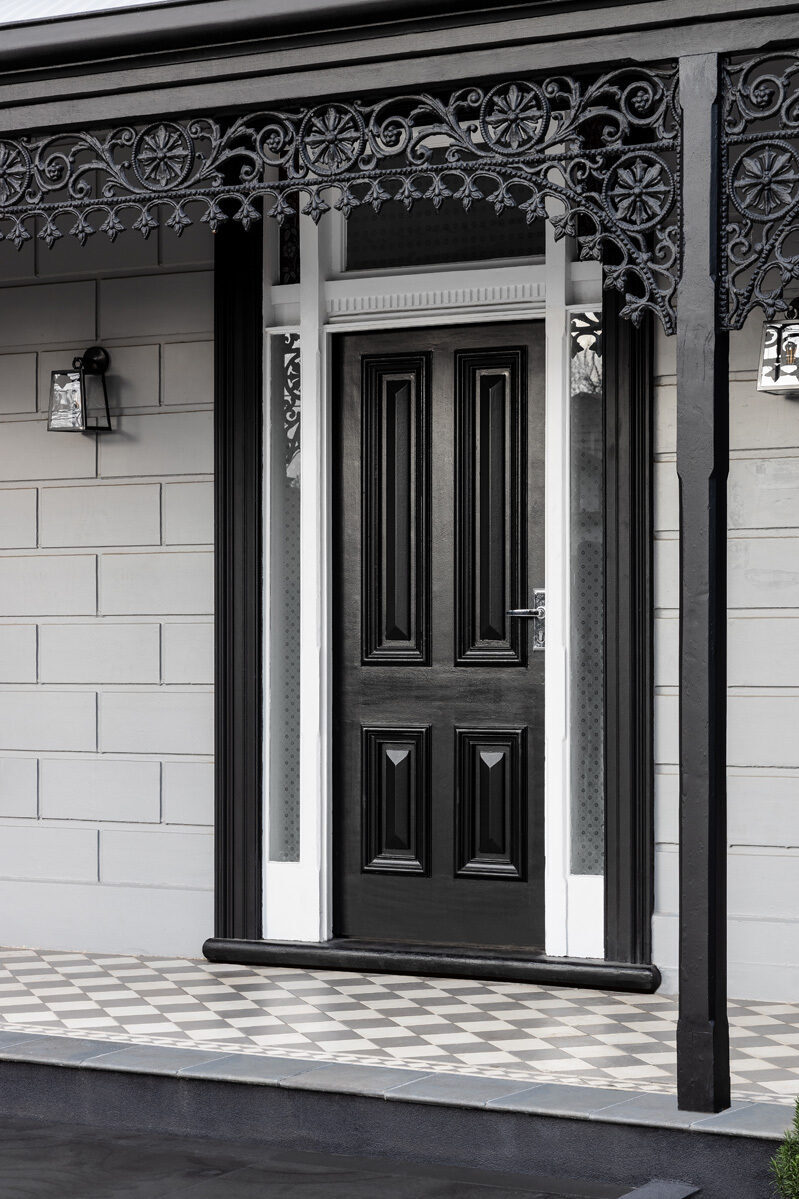
Victorian (Late 1800s)
Victorian homes are some of the earliest examples of residential architecture still standing today. Recognisable by their intricate iron lacework, decorative façades and symmetrical layouts, these homes were designed with presence in mind. Inside, high ceilings, fireplaces and detailed finishes created a sense of grandeur that still defines their appeal.
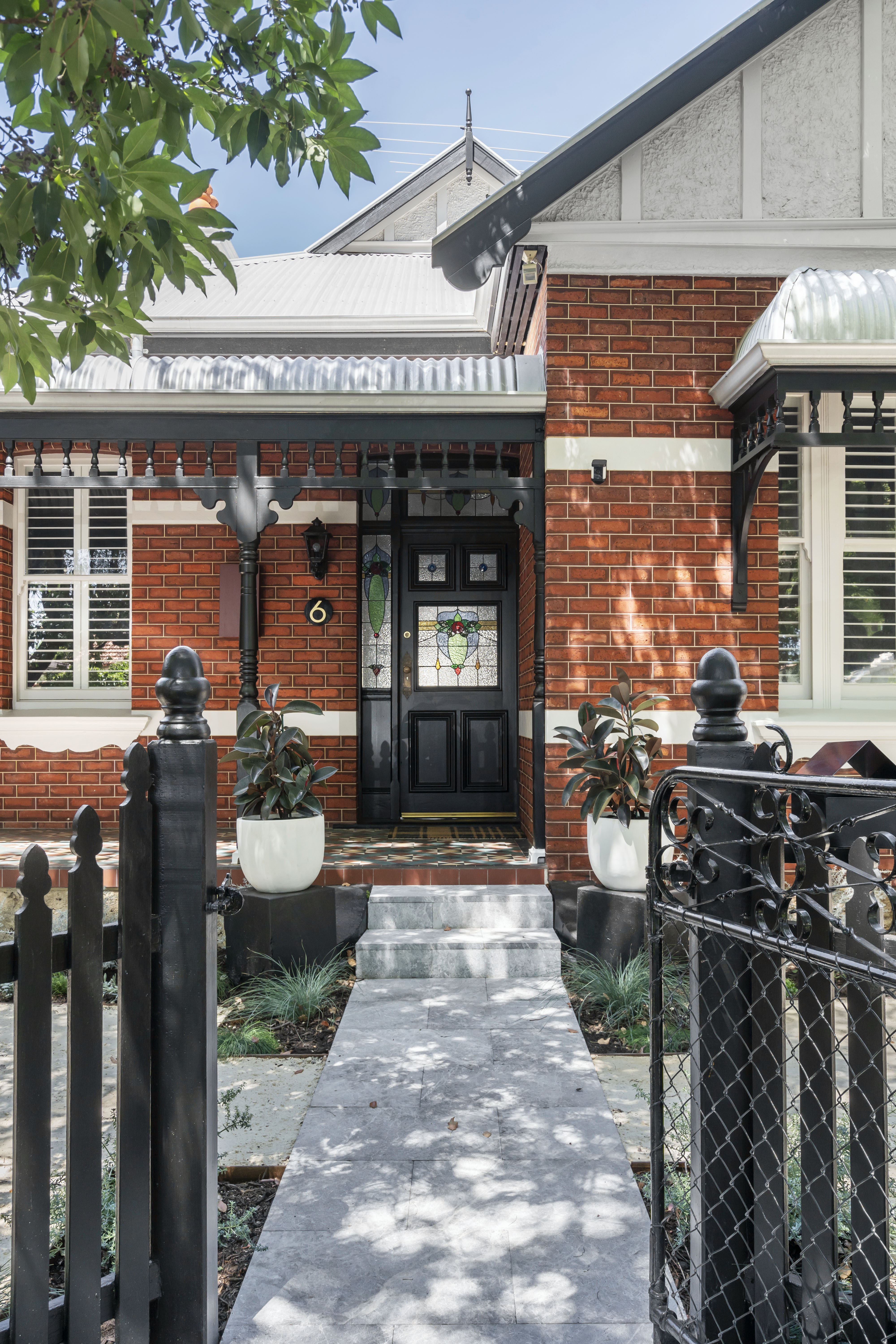
Federation (Early 1900s)
Federation homes marked a shift towards a more local identity. Red brick, timber detailing, leadlight windows and wraparound verandahs became defining features, with layouts that felt more relaxed and liveable. They remain some of the most loved homes today, often restored or extended to suit modern living.
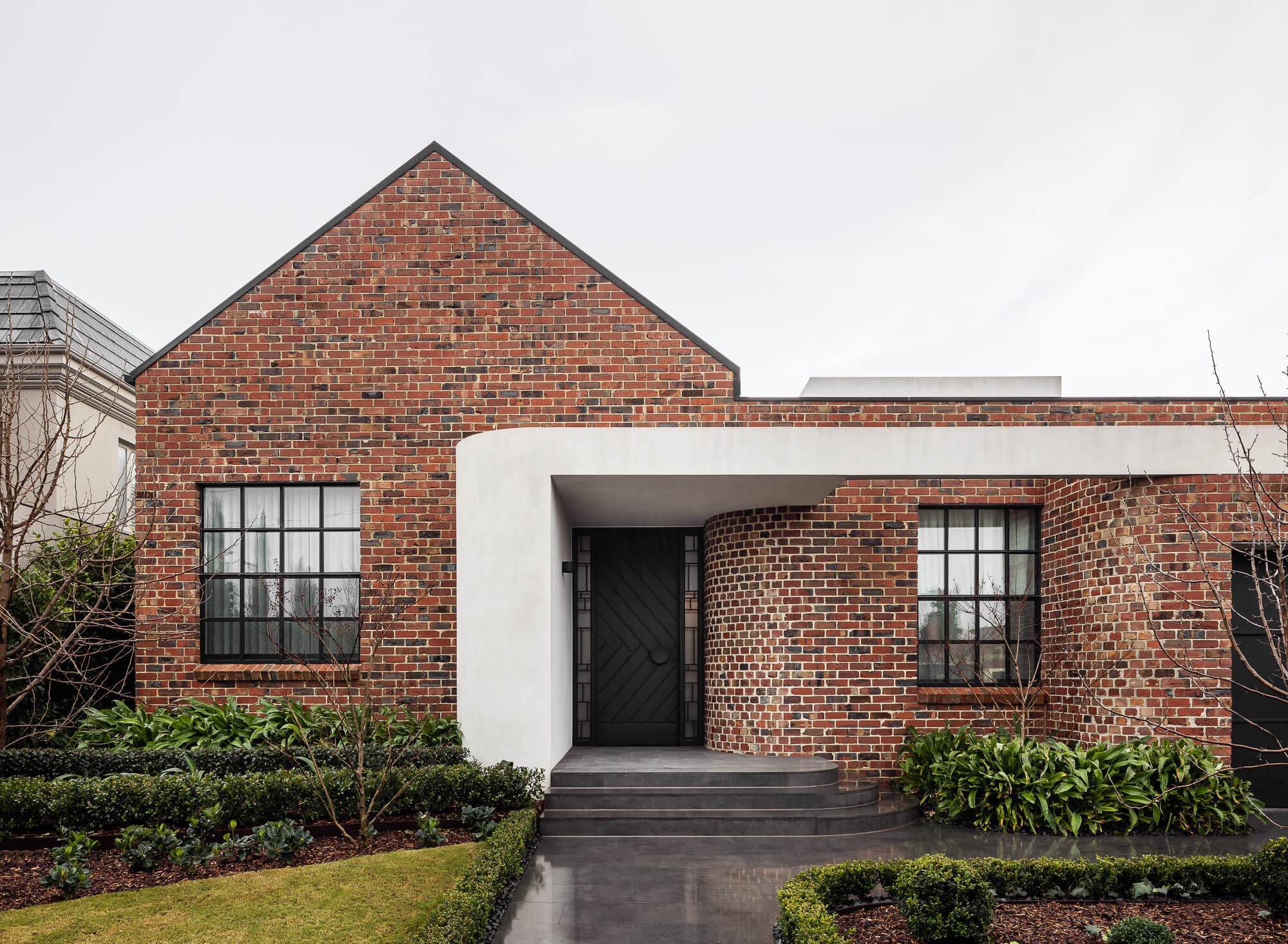
Interwar (1920s - 1940s)
Interwar homes reflected a mix of styles, from the grounded simplicity of California Bungalows to the traditional detailing of Tudor homes and the bold geometry of Art Deco. Despite their differences, they shared a shift towards more practical, liveable design.
Mid Century Modern (1950s - 1970s)
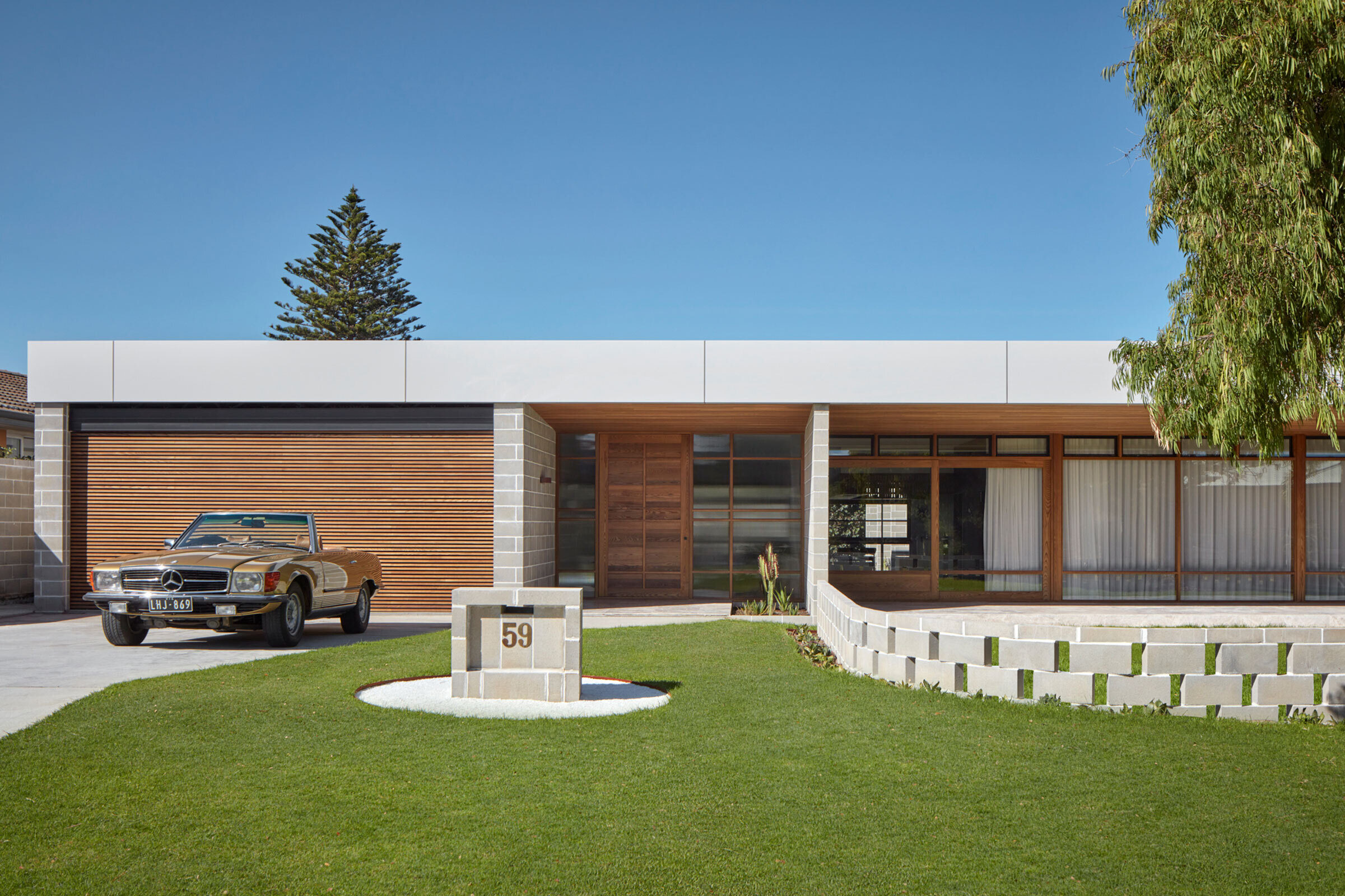
Mid-century modern homes brought a new way of living. Layouts opened up, windows became larger and homes were designed to connect with their surroundings. Materials were often simple, but used intentionally. Materials like timber, brick and glass worked together to create light-filled, functional spaces.
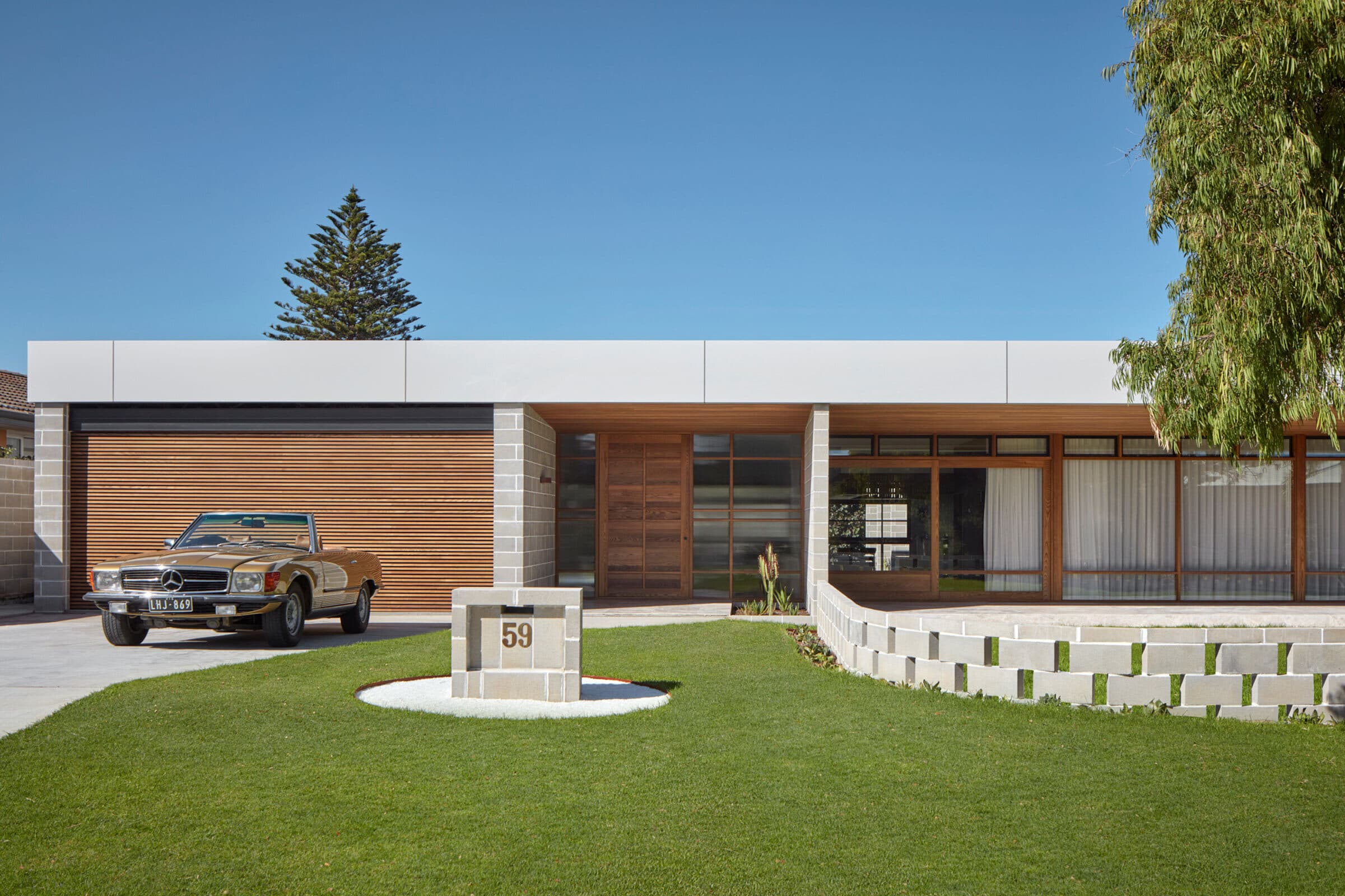
Contemporary (1980s - Today)
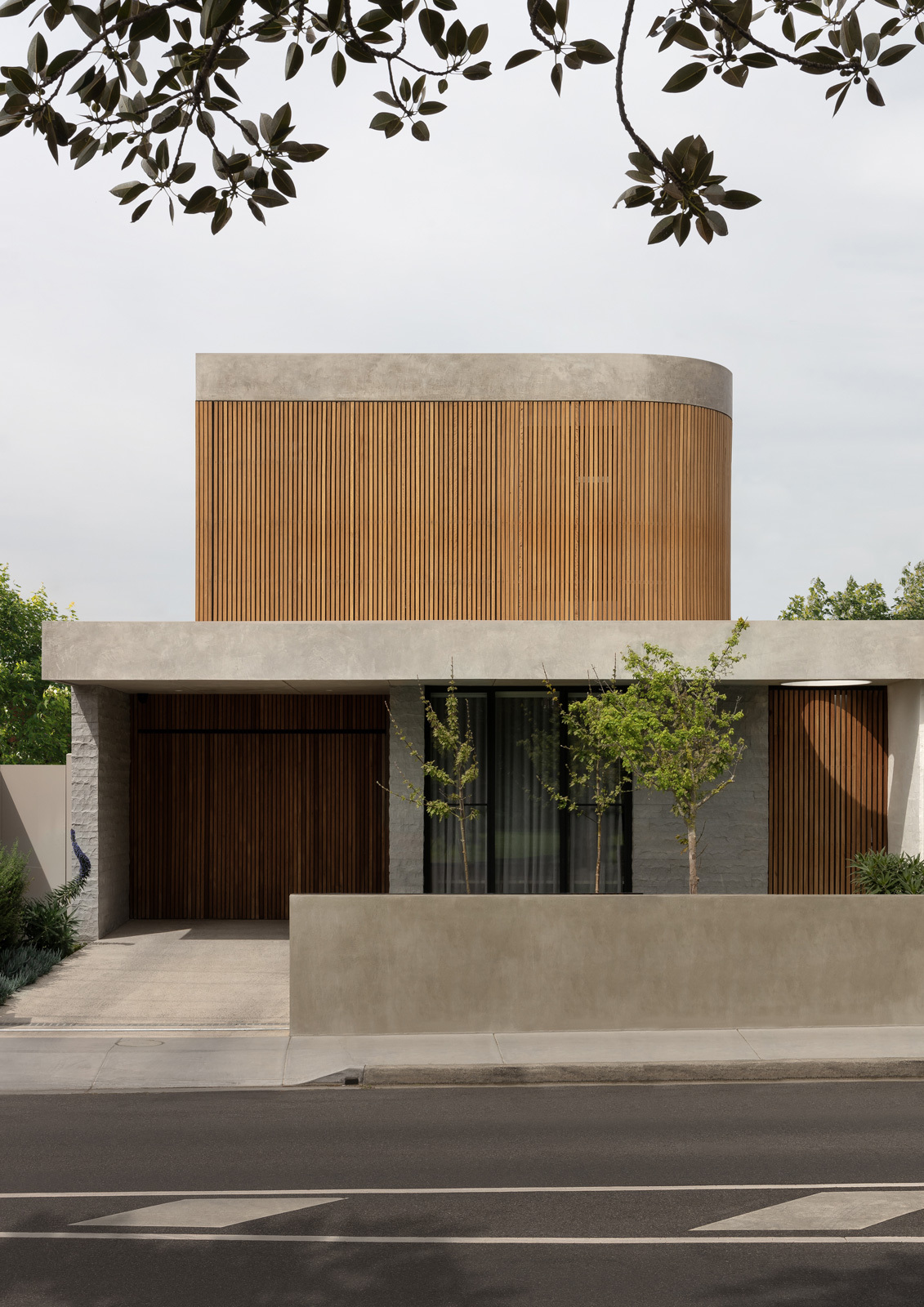
Today’s homes bring everything together. Clean lines, natural materials and a strong focus on indoor-outdoor living define contemporary design, with layouts tailored to how we live now. There’s a clear shift towards quality over quantity, homes that feel considered, functional and easy to live in. Interestingly, you’ll often see modern homes referencing elements from these earlier eras.
While styles may change, great homes have always been shaped by the way we live, and that’s what continues to define them today.